Creating a clothing brand, goes far beyond having good ideas or an appealing design. In fact, for a garment to succeed in the market, it is essential to invest in a solid technical foundation. This is precisely where patternmaking and prototyping come into play; expertly crafted patterns, professional modeling, and meticulously tested prototypes.
Whether for independent designers taking their first steps or textile companies seeking specialized support, this phase is crucial to ensuring quality, consistency, and production viability
For those starting a clothing brand
If you are launching your own brand, you have likely realized that turning a sketch into a real garment requires more than just creativity. In fact, technical expertise is needed to ensure the idea works in practice.
Pattern development
First and foremost, patterns are the foundational structure of any garment. Without a well-constructed pattern, the fit may be compromised, and consequently, the brand’s perceived quality as well.
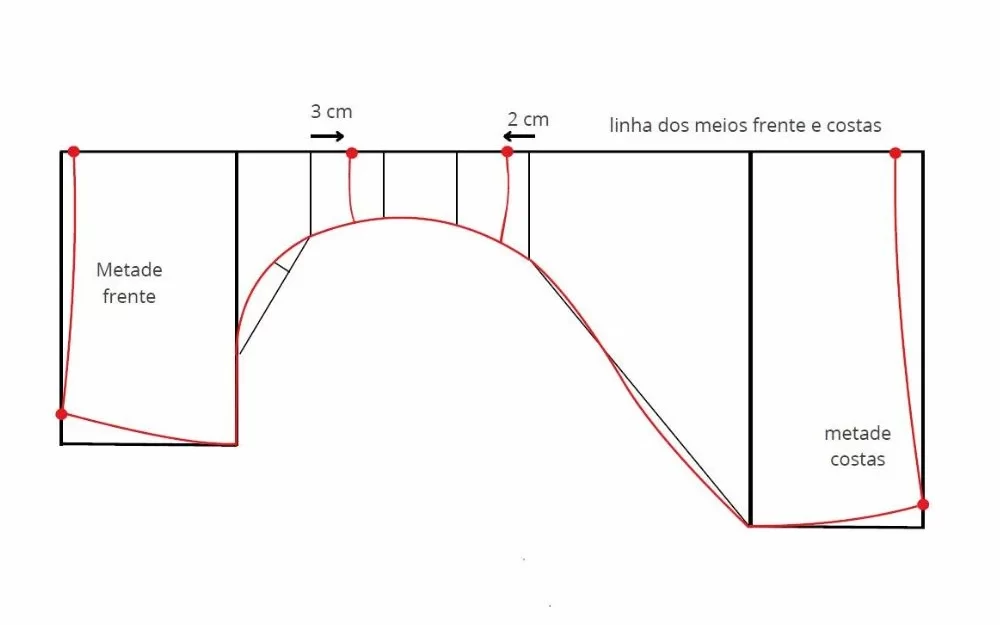
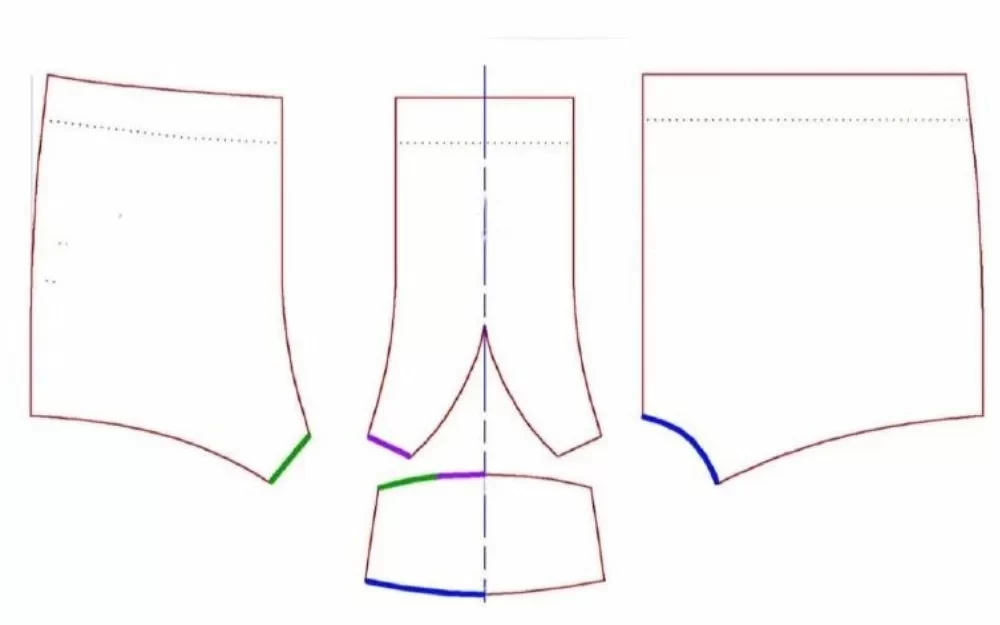
Expert technical development enables:
- Ensure balanced proportions
- Minimizing fabric waste
- Reducing production errors
- Simplifying pattern grading
The patternmaker's role
The patternmaker plays a central role in this process. They are the ones who interpret the design and transform it into a viable pattern for production.
More than just executing patterns, the patternmaker anticipates technical issues and proposes solutions before they ever reach the production stage.
For emerging brands, having an experienced patternmaker translates into greater security and professionalism.
Prototype Development
Next comes the prototyping stage. The prototype is the first garment constructed from the pattern; as such, it allows for the evaluation of the actual result before moving forward to mass production.


This stage is essential for validating:
- Size adjustments
- Wearability
- Functionality
- Production costs
- Avoiding rework
- Reducing waste
- Increasing professionalism
- Ensuring manufacturing security
For Textile and Clothing Manufacturing
On the other hand, within the context of the textile industry, technical development plays an equally strategic role.
An increasing number of companies are choosing to outsource patternmaking and prototyping. In doing so, they are able to optimize internal resources and accelerate the development process for new collections